June 2, 2026 · 7 min read(Updated July 8, 2026)
AI Product Images: Why They Convert Better in 2026
AI product images now match studio-shot lifestyle photography on conversion. When AI imagery works, when it doesn't, and how to combine both in a 7-image Amazon listing.
By FlarePix Studio · Photo, video, and AI production
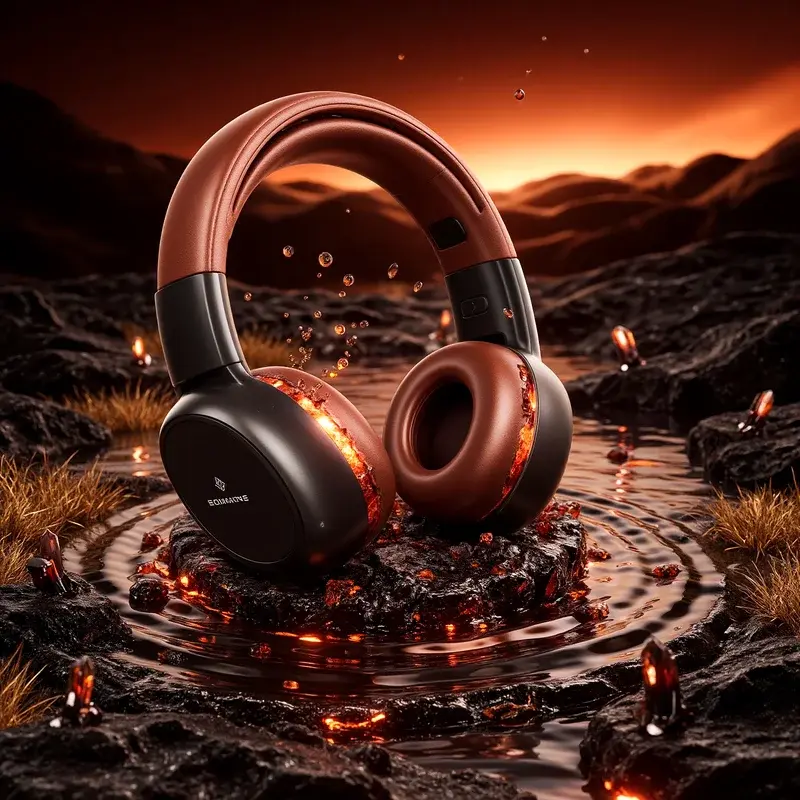
Ecommerce imagery in 2026 looks nothing like it did five years ago. The white-background catalog shot that ruled Amazon a decade ago is now table stakes — not a differentiator. What separates top-converting listings today is lifestyle context, scene variation, and the ability to test creative quickly. AI-generated imagery delivers all three, and the conversion data is hard to ignore.
The ceiling of traditional product photography
Studio photography is the gold standard for accuracy. A skilled photographer can match the exact color, texture, and proportions of a real product. The problem isn't quality — it's cost, time, and flexibility. A single studio shoot produces a fixed set of images. Adding a new lifestyle scene means another shoot, another location fee, another round of model bookings. For brands running paid social or A/B testing creative, this loop is too slow to keep up with.
By 2026, the brands winning on Amazon, Shopify, and TikTok Shop aren't just producing more photos — they're producing more variations per product. A listing that ships with 30 lifestyle images (5 scenes × 3 angles × 2 model options) is realistic now. Five years ago it wasn't.
What AI imagery does differently
Modern AI pipelines start with a real product photo — the same studio shot you'd use for the main Amazon image — and place that product into any scene you can describe. A coffee mug on a marble kitchen counter. A water bottle on a hiking trail at golden hour. Sneakers in a Tokyo street at night. The product geometry, color, and labeling are preserved; everything else is generated.
- Lifestyle scenes without shipping products to a location
- On-model imagery without model bookings or fittings
- Seasonal variations (summer beach, winter snow) from a single product photo
- Multiple aspect ratios for different ad placements from one source image
- Unlimited A/B testing variations in days instead of weeks
The conversion data
Industry research over the past several years points in the same direction: lifestyle imagery outperforms pure white-background shots on engagement. The exact lift varies by category and study, but published benchmarks routinely place sponsored-placement click-through gains in the tens of percent, and add-to-cart lift for galleries that include at least three lifestyle images. The comparison that matters here is the source comparison: AI-generated lifestyle images now match studio-shot lifestyle images on those same metrics. The gap is no longer about whether the scene was generated or photographed — it's about creative quality, scene relevance, and how fast you can iterate.
From the production side, we see the same pattern as a demand signal. Sellers who replace a white-background-only gallery with a mixed set that adds AI lifestyle scenes tend to come back to expand — more SKUs, more scenes, more channels — rather than treating it as a one-off. We don't publish per-client conversion numbers, because once files are handed off we can't verify what happens inside a seller's Amazon Brand Analytics. The honest proxy we rely on is repeat work: clients reorder when the imagery performs.
When to use AI and when to use real photos
AI imagery isn't a replacement for studio photography — it's an extension. The main Amazon image should still be a real studio shot of the actual product. That's the trust signal shoppers expect. AI excels for secondary images: lifestyle context, seasonal creative, demographic variation, ad creative. Use it where context matters more than pixel-perfect accuracy.
There are also categories where AI is still the wrong tool: highly technical products where exact geometry matters (industrial parts, jewelry with stones, watches with mechanical detail), and any category where regulatory accuracy is required (medical, food supplements, children's products with specific labeling rules). For everything else — apparel, beauty, home goods, electronics, sports equipment — AI imagery is a fit.
How to combine both for a complete listing
The optimal setup for a 7-image Amazon listing in 2026 looks like this: image 1 is a studio shot on pure white (required by Amazon, also the highest-trust image); images 2-3 are studio shots at angles or with detail highlights; images 4-5 are AI-generated lifestyle scenes; image 6 is an infographic with feature callouts; image 7 is a size/scale or comparison chart. The first three anchor trust; the AI imagery carries the conversion lift.
If you're scaling a brand across multiple SKUs and ad channels, the time savings compound. A traditional studio shoot might deliver 5-10 usable images per SKU. A combined studio + AI workflow delivers 25-40, with most of the additional ones being lifestyle variations you can deploy across Meta, TikTok, and Pinterest without a second production cycle.
Curious how AI handles your specific product? Most studios test a sample set first — we send 4-6 lifestyle scenes from one photo in 48 hours, free, no contract. If the look fits your brand, we scale from there. Reach out via the contact form and we'll run a sample on your actual product.
Frequently asked questions
Are AI-generated product images allowed on Amazon?
Yes — for secondary gallery images, A+ Content, and ads. Amazon's main image must still be a real photograph of the actual product on pure white, and the imagery must not misrepresent the product. AI-generated lifestyle imagery belongs in the secondary slots (images 2-7), where lifestyle context and scene variation live. We keep the main image as a real studio shot and use AI for the lifestyle and campaign slots where it converts.
How much do AI product images cost?
Less than an equivalent lifestyle shoot, because there's no studio build, location, model booking, or shipping. We price per project based on SKU count, number of scenes, and delivery formats rather than a fixed per-image rate — and the cost per usable lifestyle image drops sharply once you're generating multiple scenes from a single reference photo. Send a brief and we'll return a tailored proposal within 24 hours.
Do AI product images convert better than real photography?
On lifestyle metrics — click-through on sponsored placements and add-to-cart rate on galleries with multiple lifestyle images — AI-generated lifestyle scenes now match studio-shot lifestyle scenes. They don't beat a real main image, and they shouldn't replace it. The lift comes from combining the two: a real studio main image for trust, AI lifestyle scenes for context and variation.
What's the difference between AI product images and AI product photography?
Mostly terminology. 'AI product photography' is the broader term people search for the service; 'AI product images' refers to the output. Both describe the same workflow: start from a real photo of your product, then generate lifestyle scenes, on-model shots, or campaign visuals around it while preserving the product's real geometry, color, and labeling.
About the author
FlarePix Studio
Photo, video, and AI production
FlarePix is a product visual studio working with ecommerce and Amazon brands. Our team handles studio shoots, product video, AI lifestyle imagery, and AI video from one workflow, with delivery for Amazon, Shopify, and direct-to-consumer channels.
Related services
Need visuals for your products?
We help ecommerce and Amazon brands ship photo, video, and AI imagery fast.