June 4, 2026 · 5 min read
Why AI-Generated Product Videos Can't Be Fully Automated (And Why That Matters for Your Amazon Listing)
Every AI video tool on the market promises one-click output. The reality is different — and if you're using these tools without a professional review layer, your Amazon listing is probably paying for it.
By FlarePix Studio · Photo, video, and AI production
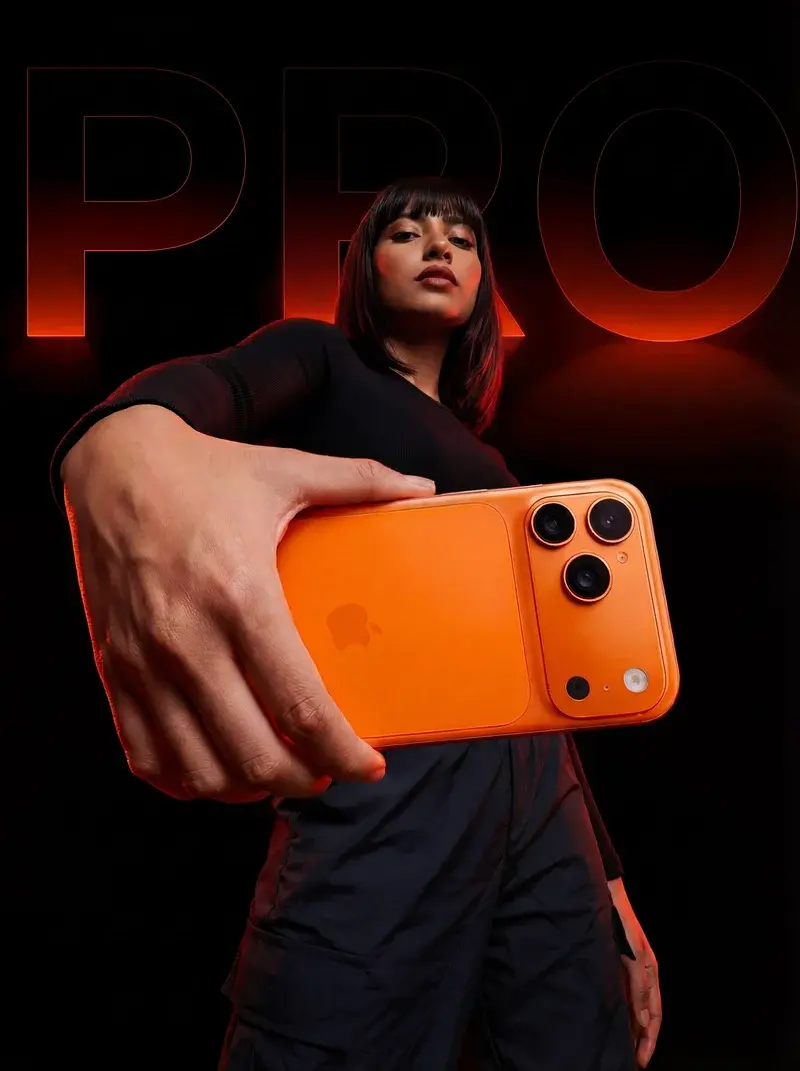
Search for 'AI product video' and you'll find a list of tools that promise to transform your product images into listing-ready video in minutes. Upload a photo, click generate, download the result. It sounds efficient. It sounds affordable. And if you've used one of these tools, you probably noticed the output looks like everyone else's output.
That's not a coincidence. It's a structural problem with treating AI video as a self-serve tool rather than a production process.
What 'one-click AI video' actually produces
The output from a self-serve AI video tool has a recognizable look: slightly unnatural motion (products that float rather than move, backgrounds that drift without physics), visual artifacts around the product edge, generic scene transitions, and a feel that experienced online shoppers immediately register as AI-generated. This isn't just an aesthetic issue — it's a conversion issue. Shoppers in 2026 are increasingly sophisticated about AI content, and products that look AI-generated can actively hurt brand credibility.
Why the model can't fix this itself
AI video models are trained on large datasets of motion, product presentations, and scene transitions. They know what video 'looks like' in a general sense. But they don't know what your product looks like, what your brand voice is, what aspect ratio performs best on your specific category, or what motion would actually communicate your product's value. The model works from prompts and reference inputs — if those inputs are generic, the output is generic.
The gap between a usable AI video and a professional one is entirely in the human layer: prompt design, reference curation, product alignment review, artifact correction, and format optimization for each destination platform. Without that layer, the AI model is doing its best — and its best isn't good enough for a listing competing against sellers who are using the same model.
The specific failure modes on Amazon
Amazon's detail page video plays automatically — muted, in the main image slot — for shoppers who have autoplay enabled. A video that starts with 2 seconds of generic floating-motion, visible seams between product and background, or an obviously AI aesthetic sends a signal before the product's benefits have been communicated. The scroll stops, but the add-to-cart doesn't follow.
- Visual artifacts: product edges that don't blend cleanly into generated scenes
- Generic motion: product rotations and transitions that look templated
- Wrong product emphasis: the AI model's interpretation of the product, not the seller's
- Format mismatch: video optimized for a general aspect ratio, not Amazon's player
- No brand continuity: the output doesn't match the aesthetic of the rest of the listing
What professional AI video production looks like
At FlarePix, AI video generation is a managed production process — not a self-serve tool. When you send us your product, here's what happens: we review your actual product image to define the geometry and color profile for accurate placement, design prompts that describe your specific scene and motion intent rather than generic defaults, run the generation with multiple variations, review every output for product accuracy and visual artifacts, correct issues before delivery, and deliver in the formats required by Amazon, Meta, TikTok, and any other platform in your plan.
The extra steps add time (2-5 business days for most AI video projects) and cost ($100-300 per video depending on complexity and volume). But the output is a finished video — not a draft that needs to be reviewed, iterated on, and potentially rejected.
How to evaluate an AI video vendor
Before you sign with any AI video vendor — FlarePix included — ask these questions: Who reviews the outputs, and what are their qualifications? What happens if the output has artifacts or product inaccuracy — is there a revision process, and what's the timeline? Do they deliver in Amazon's required format, or do you have to re-export? Do they have examples in your specific product category? A vendor that can't answer all four with specificity is probably reselling a model API with no production layer.
If you want to see what professional AI video production looks like for your product category, send us one product photo and we'll generate 3-4 sample scenes within 48 hours. No contract, no commitment. The samples show you exactly what the output looks like before you commit to a full project.
About the author
FlarePix Studio
Photo, video, and AI production
FlarePix is a product visual studio working with ecommerce and Amazon brands. Our team handles studio shoots, product video, AI lifestyle imagery, and AI video from one workflow, with delivery for Amazon, Shopify, and direct-to-consumer channels.
Related services
Need visuals for your products?
We help ecommerce and Amazon brands ship photo, video, and AI imagery fast.